
Essential Ice Climbing Gear: Complete Guide for Beginners and Experienced Climbers
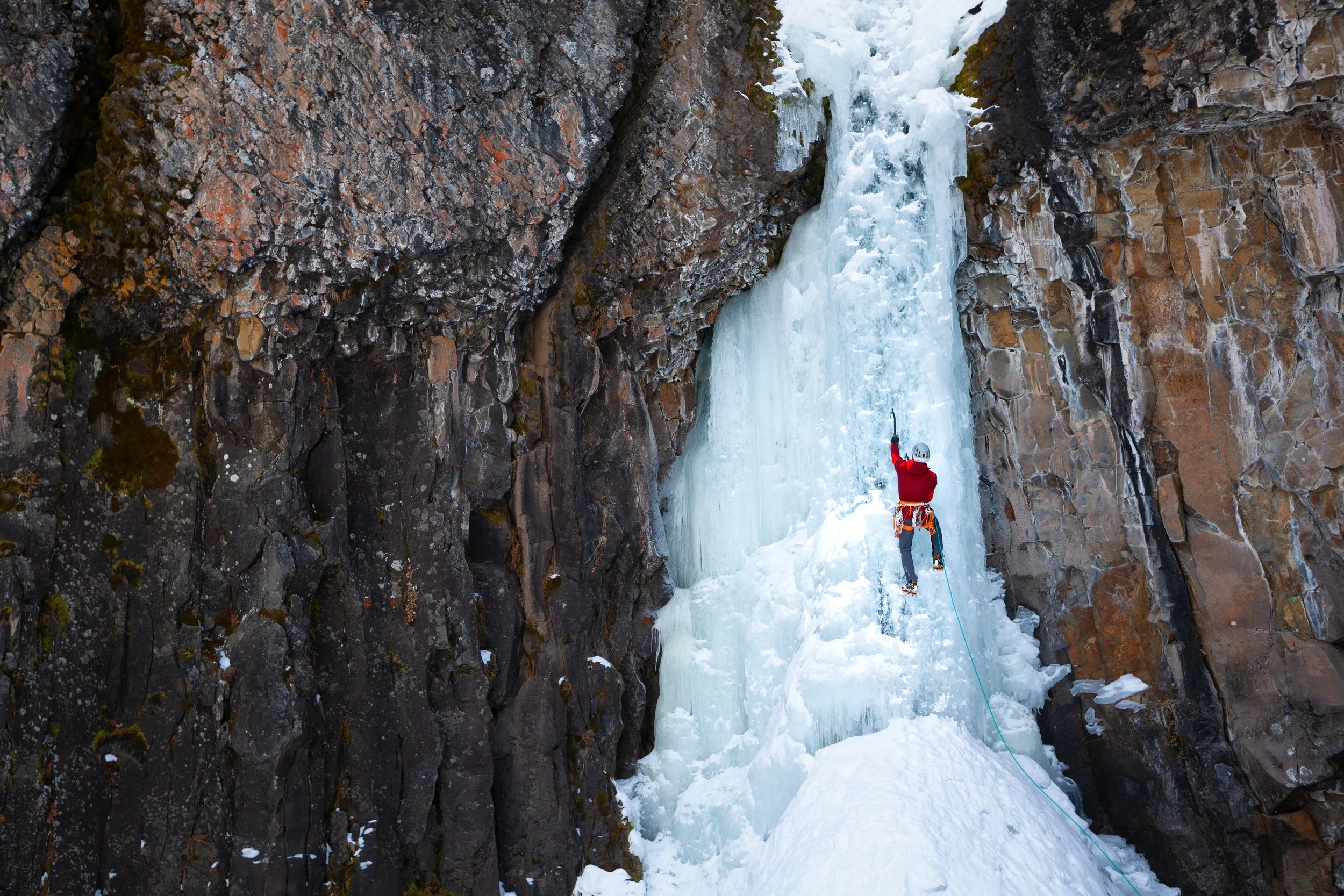
Ice Climbing in Hyalite Canyon
Ice climbing combines the thrill of vertical adventure with the stunning beauty of frozen waterfalls and alpine ice routes. Whether you're chasing your first WI3 pillar or tackling steeper mixed lines, having the right ice climbing gear is critical for safety, performance, and enjoyment.
Proper equipment protects you from falling ice, keeps you warm and dry in sub-zero conditions, and helps you move efficiently on steep, technical terrain. This guide covers the essential gear for ice climbing in 2026, with practical advice on what to look for, why each item matters, and current top recommendations.
1. Ice Tools (Ice Axes)
Ice tools are your primary connection to the ice. The modern technical ice tool features ergonomic grips, modular heads (hammer or adze), and sharp, replaceable picks for secure swings and placements.
Key features to prioritize:
Lightweight but balanced, durable construction
Adjustable or curved handles for better swing ergonomics
Leashless
Good clearance for gloved hands
Popular choice in 2026:Petzl Nomic
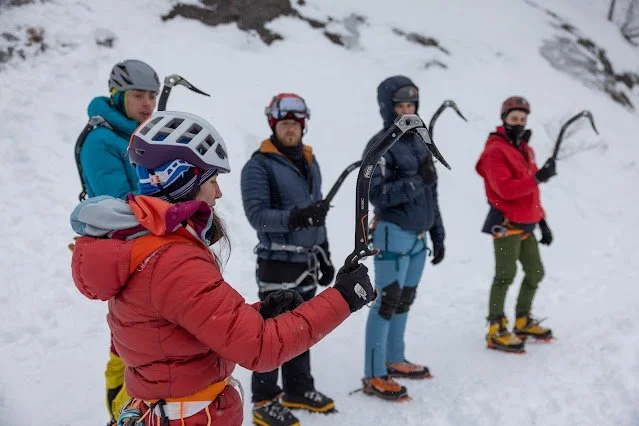
Anna Marie teaching about ice tools in the intro to ice clinic
2. Crampons
Crampons provide the essential traction that lets you stand on steep ice. For dedicated ice climbing, choose technical models with aggressive, horizontal or slightly curved front points optimized for penetration and stability.
Main types of crampons:
Technical/step-in crampons — Best for vertical ice and mixed climbing (e.g., Petzl Dart or Lynx)
Hybrid/versatile models — Good for alpine routes combining snow and ice
Binding systems — Automatic (step-in) for rigid boots, semi-automatic, or strap-on for flexibility and non-technical terrain
Always match crampons to your boots and ensure a secure fit. Poorly fitted crampons are a common cause of incidents on ice.
Top pick:Petzl Dart
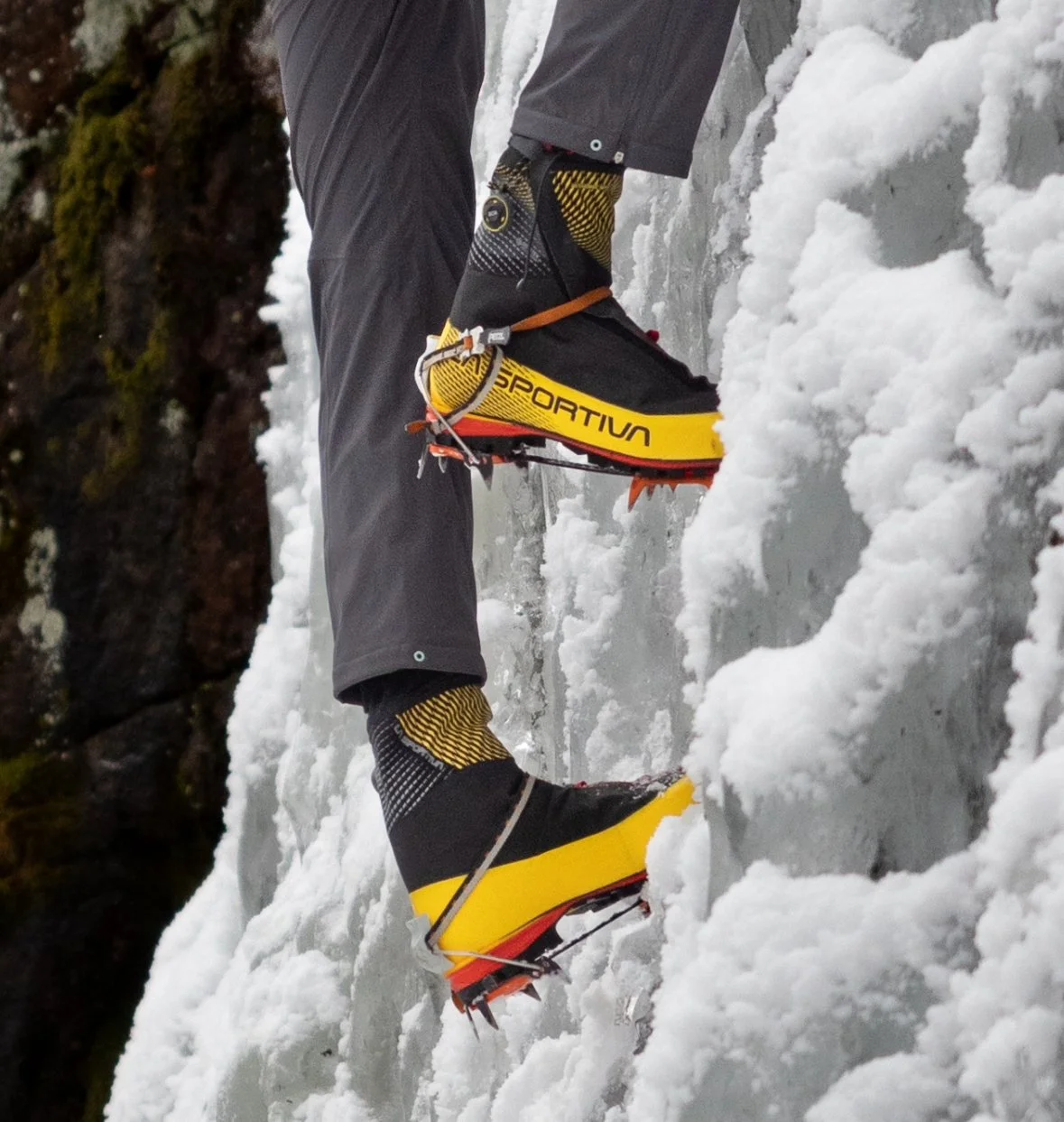
Front pointing in La Sportive boots with Petzl Dart crampons
3. Mountaineering Boots
If you are only going to buy one piece of ice climbing gear, boots are the one! Your boots are often the most important piece of ice climbing gear. They must be stiff-soled, insulated, waterproof, and fully crampon-compatible (B2 or B3 rated for technical ice). They are your connection to the earth!
Look for:
Rigid sole for effective crampon use and edging
Warm insulation (synthetic preferred for wet conditions)
Snug but comfortable fit to prevent blisters and maintain circulation
Gaiter-compatible cuff for snow protection
Current favorites (2026):La Sportiva G-tech, or Nepal Cubes, or similar lightweight technical single boots. Avoid overly heavy double boots unless you're doing extreme high-altitude or very cold routes.
4. Helmet
Ice climbing produces frequent falling ice chunks, making a helmet non-negotiable. Choose a lightweight climbing helmet with excellent impact protection and good ventilation that is UIAA approved.
Why it matters: Ice often shatters when tools strike it, sending debris downward. A quality helmet can prevent serious head injuries.
Recommended models: Petzl Sirocco or Meteor
5. Ice Screws
Ice screws are your primary protection on lead climbs. They come in aluminum (lighter) and steel (more durable in wet or variable ice).
Tips for choosing:
Carry a mix of lengths (13–22 cm)
Consider screw weight vs. durability for the conditions
Practice placing them efficiently—speed matters on cold routes
Modern lightweight options like Blue Ice Aero or Petzl Laser Speed Light screws are popular for reducing rack weight without sacrificing reliability.
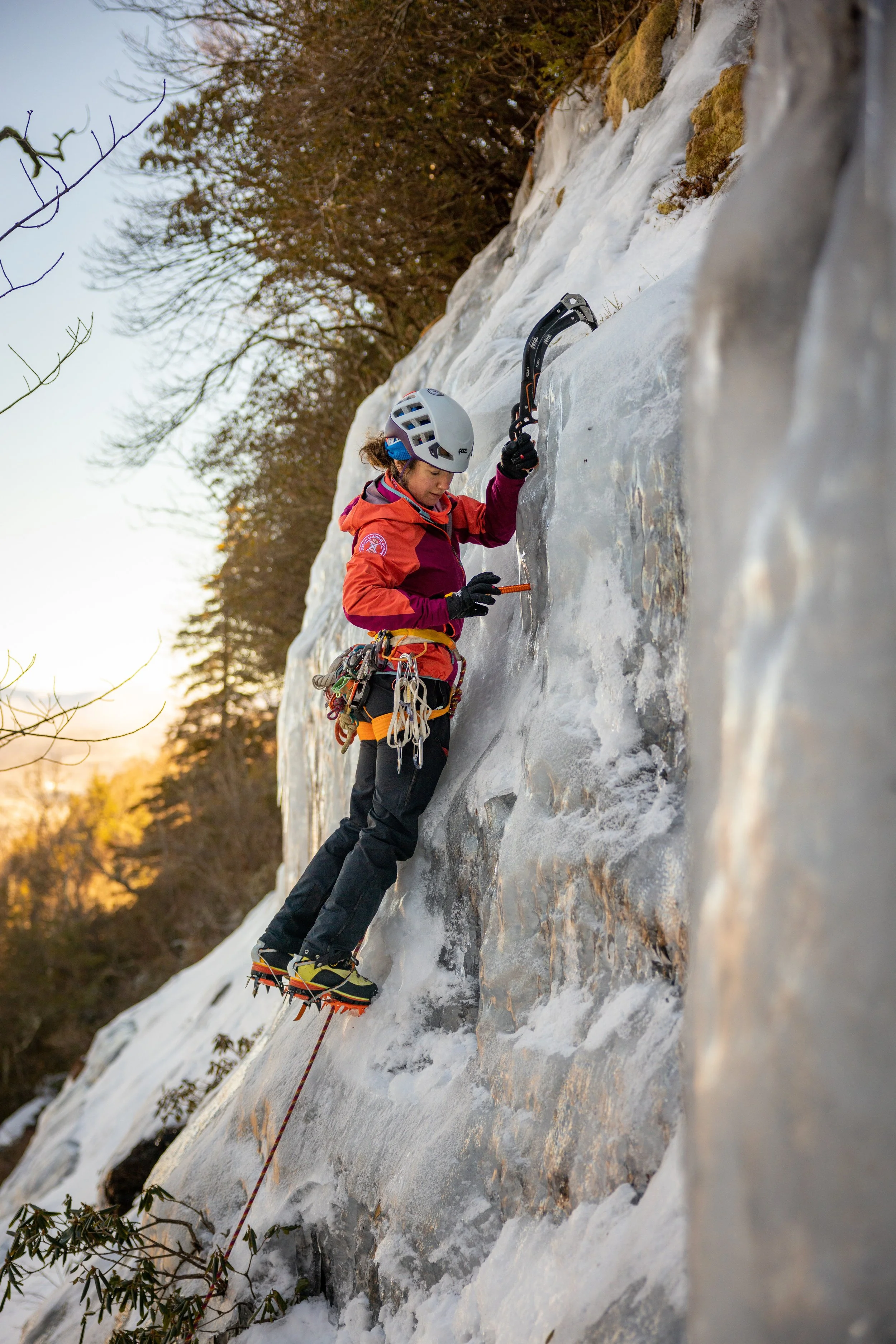
PCS guide Anna Marie placing a Petzl Laser Speed Light Ice screw.
6. Rope and Dry Treatment
Use a dynamic climbing rope with a dry treatment on both core and sheath. This prevents water absorption, reduces the risk of freezing, and maintains handling in wet/icy conditions.
Common setups:
Single ropes (8.5–9.5 mm) for sport-style ice
Half/twin ropes for longer or wandering routes
Recommended: Ropes like the Bluewater Argon 8.8 or similar dry-treated models built for cold-weather performance.
7. Harness
Select a lightweight, comfortable harness with ice clippers (or gear loops that accept them) for quick access to screws and tools. It should fit well over bulky winter layers.
Models with adjustable leg loops can help with different layering systems and many ultralight harnesses have little padding which isn’t needed due to having more clothing on.
We Recommend the Petzl Sitta or the Whisper.
8. Gloves and Hand Protection
Gloves are one of the trickiest items to get right in ice climbing.
Smart strategy: Bring multiple pairs:
Thin, dexterous gloves for leading (better grip and circulation)
Medium-weight pair for general climbing
Thick, warm mittens or gloves for belaying and downtime
Leather palms or reinforced grips improve tool handling. Wet or tight gloves restrict blood flow and make your hands colder faster.
9. Eye Protection (Goggles or Glasses)
Protect your eyes from wind, blowing snow, ice chips, and intense glare off frozen surfaces. Photochromic lenses are ideal.
Brands like Julbo offer excellent options for ice climbers.
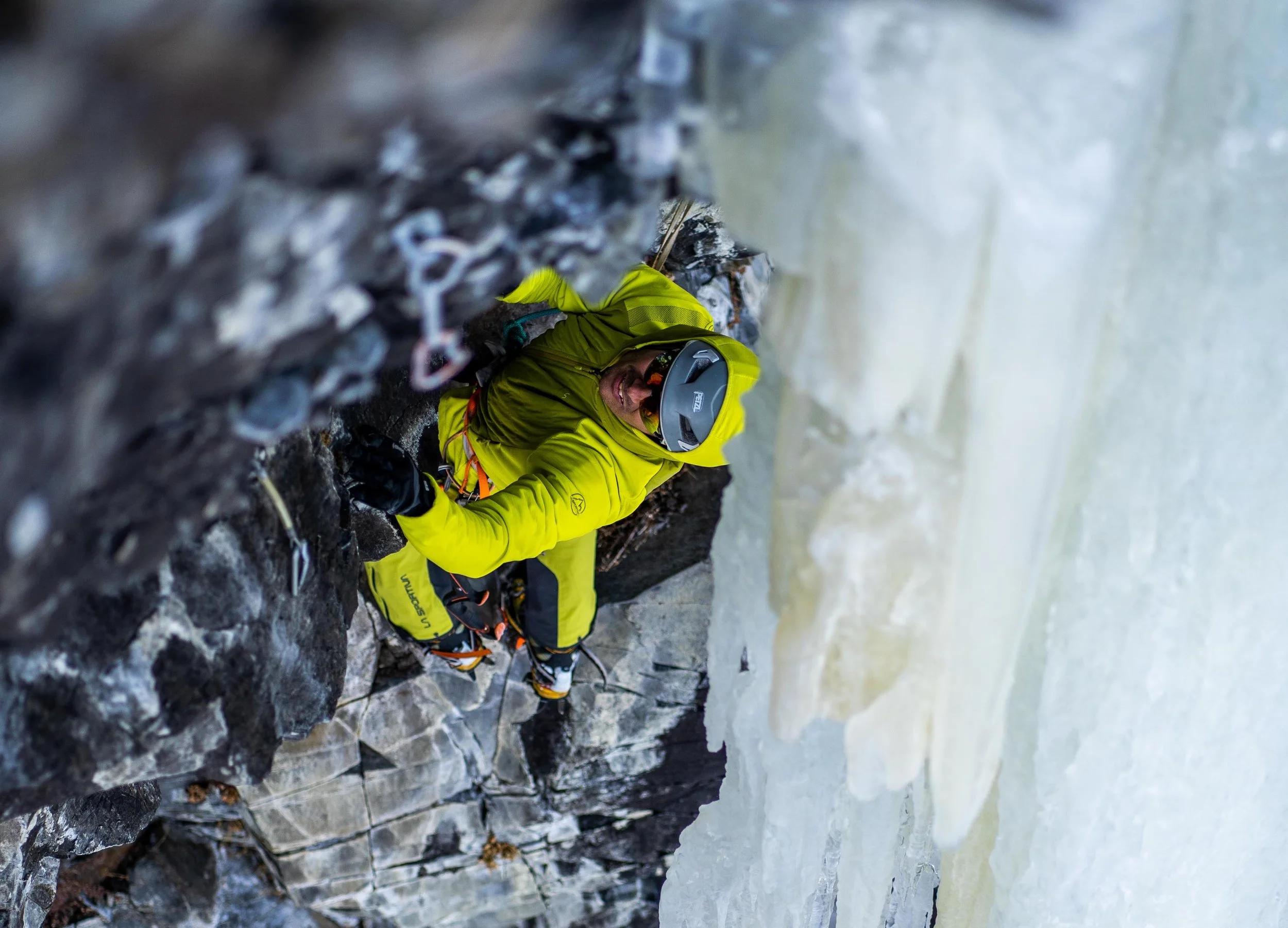
IFMGA Mountain Guide, Karsten Delap mixed climbing in Montana with his Julbo eyewear and Petzl Meteor protecting his face and head. Photo: Austin Schmitz
10. Additional Essential Layers and Accessories
Clothing system: Moisture-wicking base layers, insulating fleece or synthetic mid-layers, breathable softshell or hardshell jacket, and a warm belay parka (synthetic fill recommended for wet conditions). At PCS we partner with Arc’teryx for our clothing needs.
Socks: Warm wool or synthetic mountaineering socks.
Other must-haves: Headlamp, locking carabiners, belay device, prusiks or slings, backpack (30–45L for day routes), and insulated water bottles or a thermos.
Safety First: Training and Preparation
Gear alone isn't enough. Ice climbing involves objective hazards like falling ice, changing conditions, and cold-weather risks. Take a professional course, learn proper ice screw placement, rope management, and avalanche awareness if applicable.
Start with top-roped routes to build skills before leading.
Ready to Get on the Ice?
At Pisgah Climbing School, we provide expert-guided ice climbing trips, courses, and rentals in the Southeast and beyond. Our instructors help you select and use the right gear while teaching safe techniques from the ground up.
Book your ice climbing adventure today and experience the thrill of frozen waterfalls with confidence.